
Atlanta’s 2026 Point-in-Time Count Shows Slight Increase in Homelessness, Coupled With Increased Stability
Partners for HOME recently published the results of the City of Atlanta’s Point-in-Time Count for 2026. The data reflects ever-growing affordability challenges, with a 6% increase in the homeless population over 2025. With our mission to end chronic homelessness* in Atlanta, we are tuned into the fact that the number of people chronically experiencing homelessness increased by 4% in 2026. This underscores the significance and necessity of our work providing permanent supportive housing (PSH) and wraparound services for individuals facing the most persistent challenges.
The PIT Count also showed that 40% of people were experiencing homelessness for the first time. However, more households sought out support services and transitioned into stable conditions. Due to the Downtown Rising program, households moved into stability in roughly half the time as the rest of the metro Atlanta area.
High-level stats revealed in Atlanta’s PIT Count:
- There was a 4.7% increase in annual inflow, or the number of households experiencing homelessness year-over-year
- 490 people were housed through Downtown Rising May 2025 through May 2026
- It took 48 days from a household reaching out for support to being sited in housing in the Downtown Rising program vs. 108 days across Atlanta as a whole
- There was a 3% increase in unsheltered homelessness
- There was a 7% increase in sheltered homelessness
- Unhoused veterans decreased by 13% year-over-year (for a total of 241 in the Atlanta PIT Count)
Additional context from the report:
Increased local investment in coordinated outreach, housing, and support services has been critical in managing the pace of people entering and exiting homelessness, but the rate of need across the city continues to grow.
The 2026 PIT Count reflects a growing housing affordability challenge across Atlanta, while also showing the impact of targeted investments through Atlanta Rising, the city’s most comprehensive effort to reduce unsheltered homelessness.
A deeper look at inflow suggests that more Atlanta households are struggling to keep up with the cost of living. Even though rent increases have slowed somewhat, many families are still feeling the impact of years of rising housing costs while also paying more for groceries, utilities, transportation and healthcare. For many renters, wages have not kept pace with the cost of living.
Eviction trends show similar pressure. Since February 2025, eviction data shows higher than normal filing activity across many Atlanta neighborhoods. Nearly half of the City of Atlanta census tracts are experiencing higher than normal eviction filings than in 2023-2024.
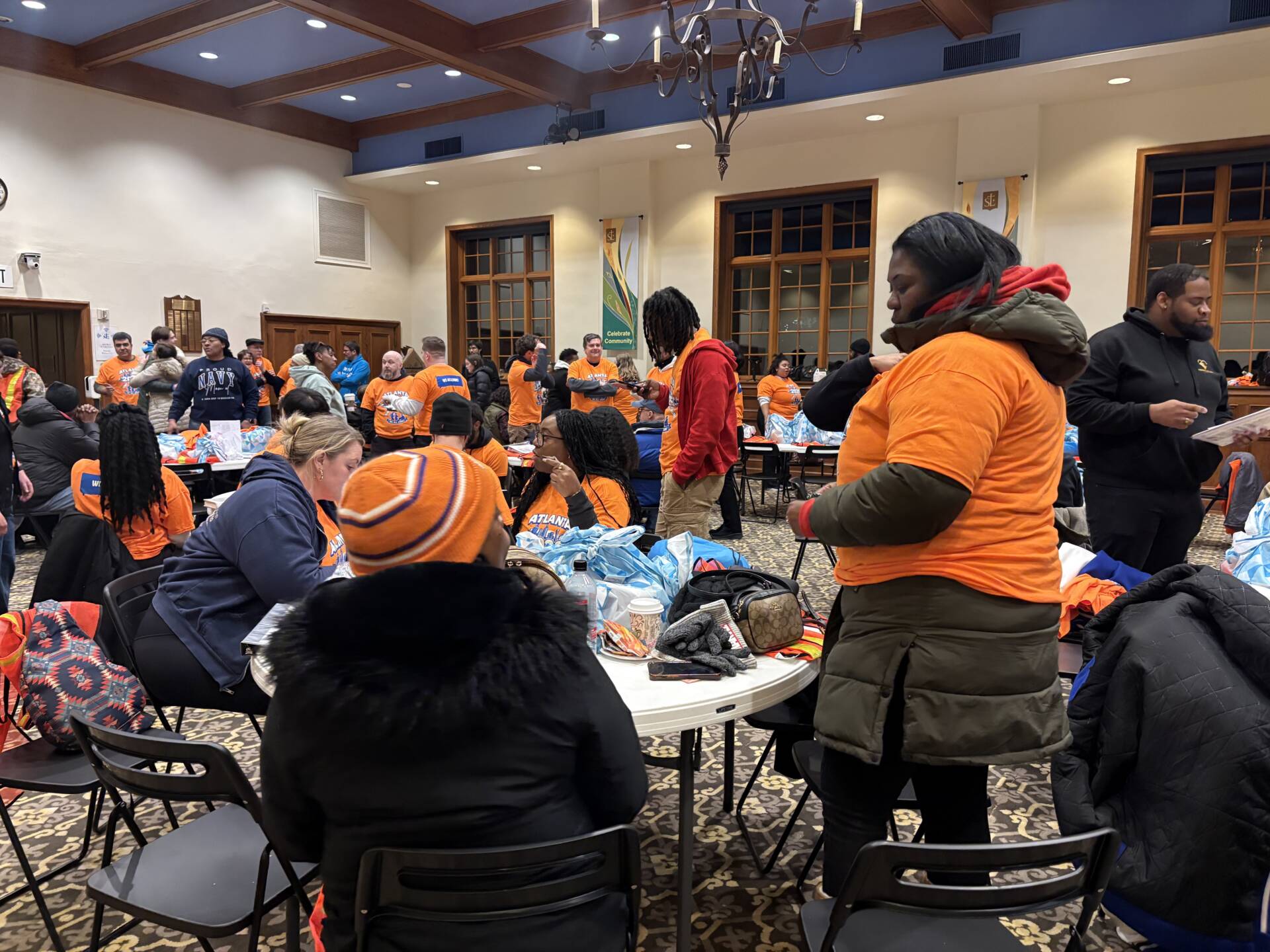
Five members of 3Keys participated in the 2026 Point-in-Time Count that encompassed Atlanta’s 243 neighborhoods. You can read about their experience in this behind-the-scenes look into 3Keys’ staff volunteering for the Night Count.
View a summary of the PIT Count report here.
More information can also be found on Partners for HOME’s website.
* U.S. Department of Housing and Urban Development (HUD) defines chronically homeless as:
- An individual with a disability who:
- Lives in a place not meant for human habitation, a safe haven or emergency shelter; and
- Has been homeless in these conditions for:
- 12 consecutive months, or
- 4+ occasions in the past 3 years totaling 12 months, with breaks of at least 7 nights between episodes.
- Also includes:
- Those meeting the above criteria before entering an institution (e.g., jail, treatment facility, hospital) for under 90 days.
- Families where the adult or minor head of household meets the criteria, regardless of changes in family composition.